Menu
Home About Us Recognition
Legal Guides FAQ Blogs
Engage Us
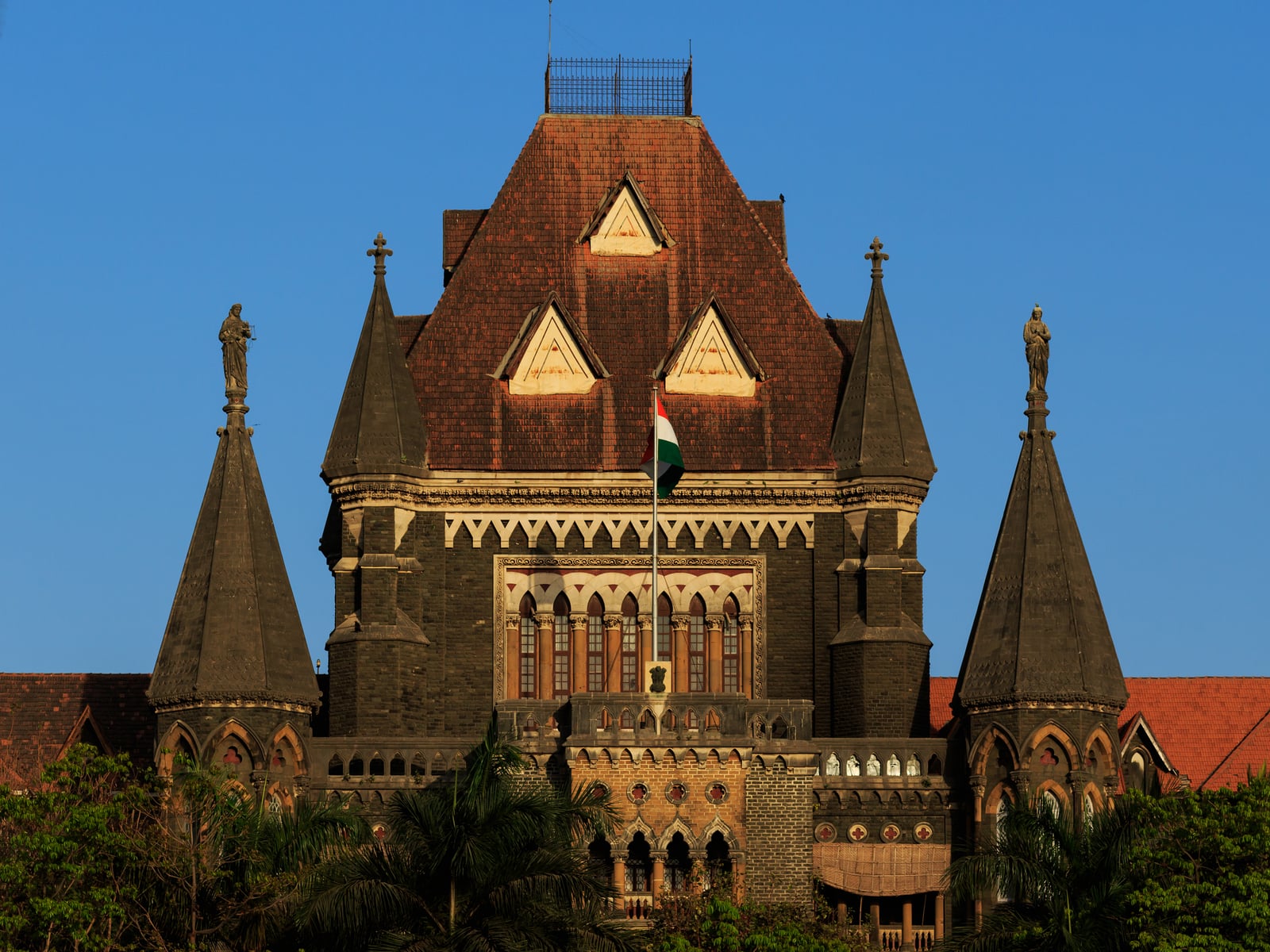
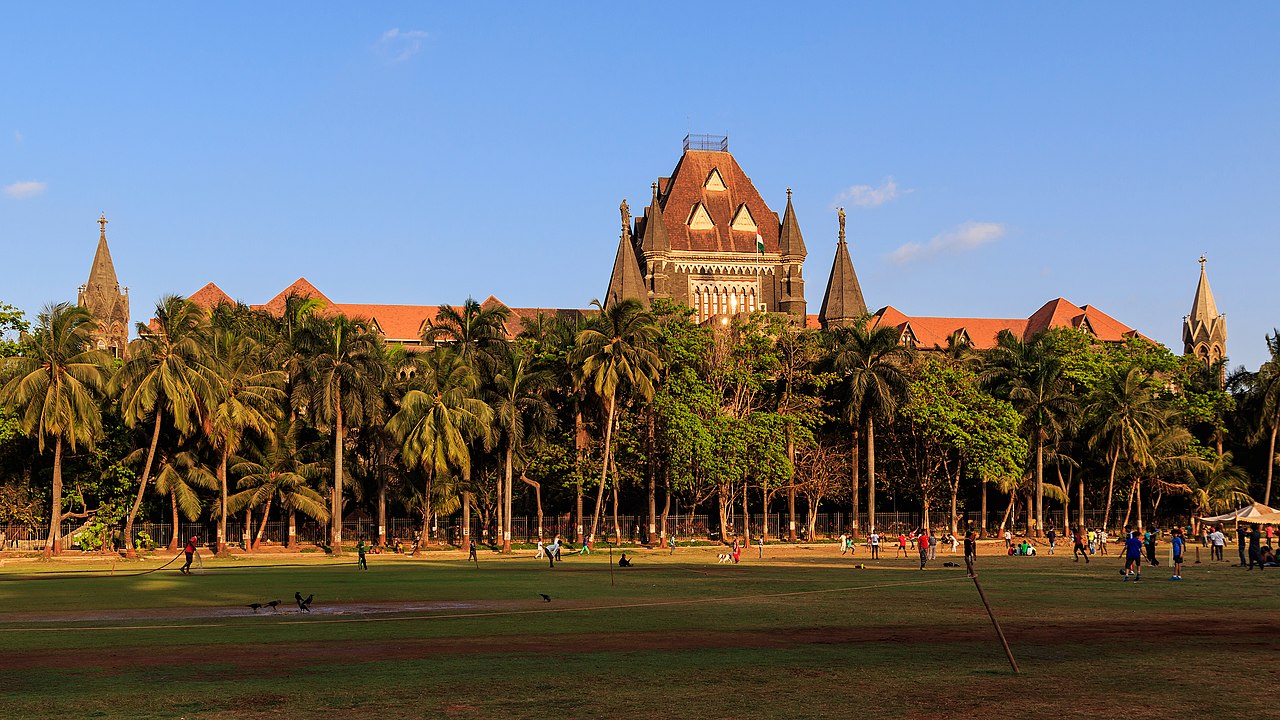
The Bombay High Court building, Mumbai

Bombay High Court

Bombay High Court lawyer in Mumbai

The Bombay High Court building facade, Mumbai
Bombay High Court

Bombay High Court Lawyer in Mumbai

The Bombay High Court is the highest court for Maharashtra, Goa, Dadra and Nagar Haveli, and Daman and Diu. It hears civil suits of high value on its Original Side, appeals from the City Civil, District, Sessions and Family Courts, writ petitions, criminal appeals and bail applications, and probate and letters of administration petitions for Mumbai.

Family and matrimonial disputes may reach a High Court through appeals, challenges to orders of subordinate courts, transfer applications and other proceedings permitted by law. The jurisdiction exercised by the High Court depends on the Constitution, applicable legislation, procedural law and the nature of the proceeding before the Court.

Eagle Law & Integrity (ELI) advises and represents clients before the Bombay High Court in civil, criminal, writ, family and testamentary matters. If you are looking for a Bombay High Court lawyer in Mumbai, this page explains what the Court hears, the time limits that apply, and how a matter proceeds.

Jurisdiction of the Bombay High Court

Family-law matters may come before the Bombay High Court through different forms of jurisdiction. Depending on the nature of the proceeding and the applicable legislation, these may include:

Appeals from the Family Court

An appeal lies to the High Court, on facts and law, from every judgment or order of a Family Court that is not an interlocutory order. It must be filed within 30 days and is heard by a Division Bench of two judges (Section 19, Family Courts Act, 1984). No appeal lies from a decree or order passed with the consent of the parties.

Child Custody

Final custody and guardianship orders of the Family Court are appealed under Section 19 of the Family Courts Act (and Section 47 of the Guardians and Wards Act, 1890). Where a child has been taken or kept away from the parent who has custody, including where one parent has brought the child to India from abroad, the High Court can hear a habeas corpus petition under Article 226. See our Child Custody and NRI Legal Disputes pages.

Maintenance Orders

An order for maintenance under Section 144 of the Bharatiya Nagarik Suraksha Sanhita, 2023 (earlier Section 125 Code of Criminal Procedure, 1973) cannot be appealed. It is challenged by a revision to the High Court under Section 19(4) of the Family Courts Act.

Transfer Applications

The High Court can transfer a matrimonial case from one court to another within its jurisdiction – for example, from the Family Court in Pune to the Family Court in Mumbai (Section 24, Code of Civil Procedure, 1908). If the case needs to move to or from a court in another State, only the Supreme Court can order it (Section 25, Code of Civil Procedure, 1908). See our Supreme Court page.

Family-Law Statutory Questions

Proceedings may also involve the interpretation or application of provisions governing matrimonial, custody, maintenance or other family matters.

Appeals from Other Courts

Certain matrimonial and family-law matters may reach the High Court through an appeal where the relevant legislation permits it.

Challenges to Subordinate Court Orders

The High Court may exercise supervisory or other jurisdiction where the Constitution or applicable legislation provides for such a remedy.

Matrimonial Disputes

Divorce and other matrimonial proceedings may reach the High Court where an appellate or other legally available proceeding arises.

Interim Orders

Interim maintenance, interim custody or visitation orders are interlocutory, so no appeal lies. They are usually challenged by a petition under Article 227 of the Constitution.

The precise jurisdiction and remedy depend on the particular order, the court from which the matter originates and the legislation governing the proceeding.

When Clients Typically Approach an Advocate for the Bombay High Court

Clients may approach Eagle Law & Integrity when:

  • A Family Court has passed a judgment or order that a party intends to challenge.
  • An appeal is available against a matrimonial judgment or order.
  • A child custody or guardianship order requires consideration by the High Court.
  • A maintenance order is proposed to be challenged under the applicable law.
  • Matrimonial proceedings are pending before different courts and a transfer application is contemplated.
  • A question of law concerning the interpretation or application of family-law legislation arises.
  • A subordinate court’s order raises jurisdictional or legal issues for which a High Court remedy may be available.
  • Interim relief, stay or other protection is required in connection with a family-law proceeding.

The appropriate course depends on the nature of the order, the statutory provision involved, and the jurisdiction available to the Bombay High Court.

General Process Before the Bombay High Court

While the procedure varies according to the proceeding, a High Court family-law matter may generally involve:

01

Case Assessment

Reviewing the judgment or order being challenged, pleadings, evidence and relevant parts of the lower-court record.

02

Remedy Assessment

Determining whether an appeal, petition, transfer application or another proceeding is available under the applicable law.

03

Drafting

Preparing the appeal, petition or application along with supporting affidavits, documents and annexures.

04

Filing

Presenting the matter before the appropriate Registry in accordance with applicable procedural and filing requirements.

05

Listing and Admission

The matter is placed before the appropriate Bench, which may consider maintainability, admission and interim relief.

06

Interim Applications

Where appropriate, applications may seek stay or other interim relief during the pendency of the proceeding.

07

Hearing

The parties’ respective submissions are presented before the Court.

08

Disposal

The Court passes an order or judgment in accordance with the jurisdiction exercised and the issues arising in the proceeding.

The timeline for a family-law proceeding before the High Court varies according to the nature of the matter, its procedural history, urgency, and the Court’s schedule.

Gavel resting on law books - Eagle Law & Integrity

Practical Considerations for Clients

  • Limitation: Statutory limitation periods apply to appeals and other proceedings. Section 19 of the Family Courts Act, 1984 provides a 30-day period for an appeal from a Family Court judgment or order covered by that provision, subject to the statutory framework.
  • Documentation: The judgment or order being challenged and relevant lower-court records should be collected and reviewed before preparing the proceeding.
  • Choice of remedy: Not every family-law order is challenged through the same procedure. The availability of an appeal, revision, writ petition or other remedy depends on the applicable law.
  • Jurisdiction: The Bombay High Court can exercise jurisdiction only where the Constitution, statute or applicable procedural law permits it.
  • Limitation: Family Court appeals – 30 days (Section 19(3), Family Courts Act). First appeals from a civil court decree – 90 days (Article 116, Limitation Act). Criminal appeals against conviction – 60 days (Article 115). State appeals against acquittal – 90 days (Article 114). The time taken to obtain a certified copy of the order is excluded (Section 12). A late appeal must be accompanied by an application for condonation of delay showing sufficient cause (Section 5).
  • Record of proceedings: Pleadings, evidence, previous orders and other documents from the lower court may be relevant when challenging findings before the High Court.

Other proceedings may have different limitation requirements, and the applicable period should be assessed from the specific statutory provision governing the proposed proceeding.

Testamentary and Intestate Jurisdiction

Probate and letters of administration for estates in Mumbai are sought in the High Court’s Testamentary and Intestate Jurisdiction on the Original Side. Since the Repealing and Amending Act, 2025 omitted Section 213 of the Indian Succession Act, 1925, probate is no longer legally compulsory for Wills in Mumbai. Housing societies, banks and buyers of property still commonly ask for it, and a contested petition is heard as a testamentary suit. See our Succession and Estate Planning pages.

Where the Court Sits

The Bombay High Court sits at Mumbai (its principal seat), with benches at Nagpur, Aurangabad (Chhatrapati Sambhajinagar) and Goa, and a circuit bench at Kolhapur, which started in August 2025, for Kolhapur, Sangli, Satara, Solapur, Ratnagiri and Sindhudurg. Matters from Mumbai, Thane and Pune are heard at the principal seat.

Discuss a High Court Matter in Mumbai

Proceedings before the Bombay High Court require careful assessment of jurisdiction, limitation, and the available record. If you are considering a civil appeal, a criminal appeal, or a writ petition before the Bombay High Court, our team at Eagle Law & Integrity can review the relevant facts and procedural requirements of your matter.

Book a Consultation

Frequently Asked Questions

An appeal is a statutory right to have a decision re-examined, and exists only where an Act provides for it. A writ petition under Article 226 asks the High Court to enforce fundamental rights or other legal rights, usually against the State or a public authority. A petition under Article 227 asks the High Court to correct an order of a subordinate court or tribunal in its supervisory role, and is often used for interim orders that cannot be appealed. Both writ remedies are discretionary, and the Court usually expects any other available remedy to be used first.

A transfer may be sought where the applicable law provides for such a remedy and the relevant court has jurisdiction. A transfer application concerns the forum in which the proceeding should be heard and does not determine the merits of the underlying matrimonial dispute.

An appeal against conviction to the High Court must be filed within 60 days of the judgment, or 30 days where the sentence is death (Article 115, Limitation Act, 1963). A State appeal against acquittal must be filed within 90 days (Article 114). Time spent obtaining a certified copy is excluded.

Yes, in some cases. A Letters Patent Appeal lies to a Division Bench from certain judgments of a Single Judge (Clause 15, Letters Patent of the Bombay High Court) – for example, in Original Side suits and many writ petitions. It is not available where the Single Judge was hearing an appeal from a lower court (Section 100A, Code of Civil Procedure, 1908), or in criminal matters. Otherwise, the next step is a special leave petition to the Supreme Court. See our Supreme Court page.

In certain matters, an order of a Single Judge may be challenged by way of a Letters Patent Appeal before a Division Bench, subject to the Letters Patent and applicable rules, and thereafter before the Supreme Court in appropriate cases.

Section 19 of the Family Courts Act, 1984 provides a 30-day period for an appeal from a judgment or order of a Family Court covered by that provision. Other family-law proceedings may be governed by different limitation provisions.

A child custody order may reach the High Court through an appeal or another proceeding where the applicable law permits it. The appropriate remedy depends on the nature of the order, the court that passed it, and the legislation governing the proceeding.

Important Notice

Disclaimer

The information on this page is general legal information and is not legal advice or a legal opinion. Every matter depends on its own facts and the applicable law. Reading this page, or contacting Eagle Law & Integrity through this website, does not create a lawyer–client relationship. No particular outcome is guaranteed. Please take legal advice on your specific situation before acting on anything on this page.

References

Statutes

↑